
Acupuncture
Holistic Directions is registered with the Acupuncture Regulatory Authority and fully licensed by Southampton City Council, giving you confidence in safe, professional, and regulated practice.
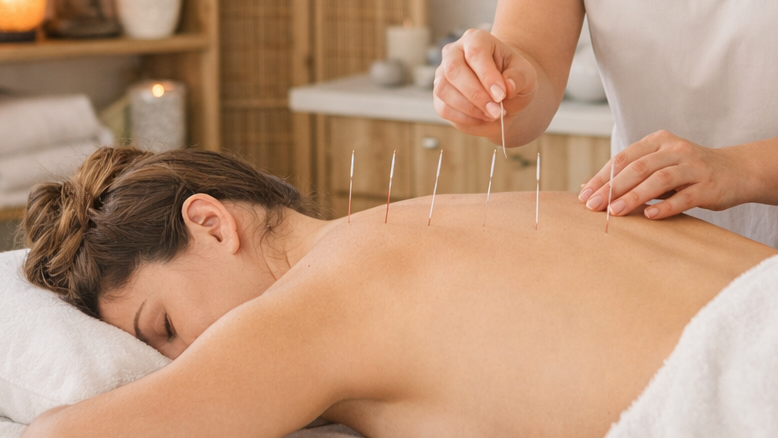
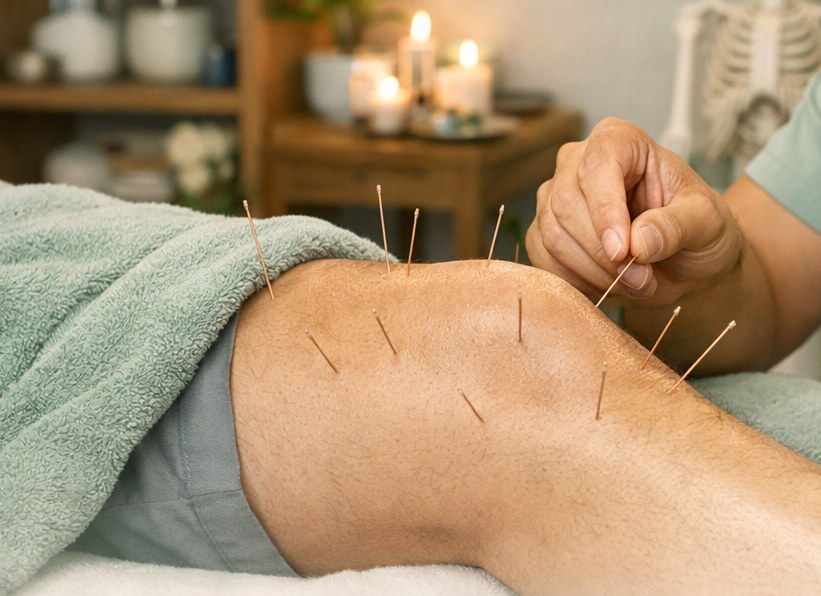
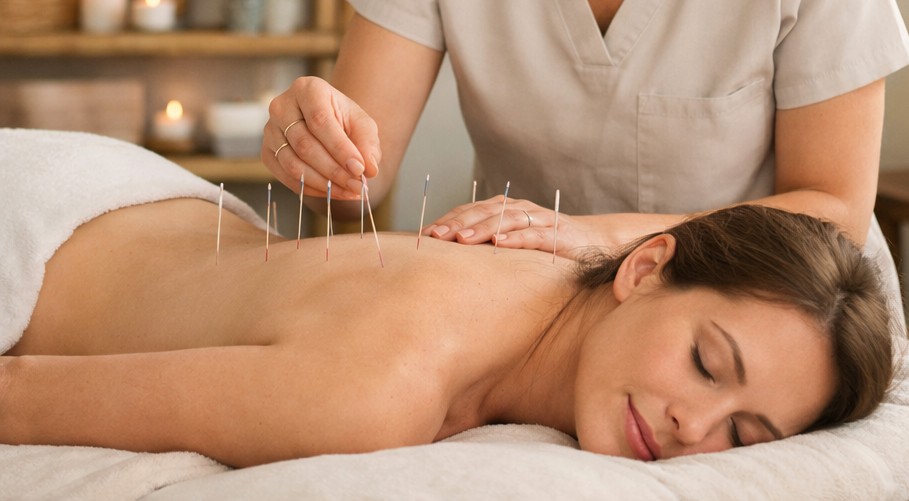
A 60‑minute acupuncture session is a calm, restorative treatment that supports your whole system; not just isolated symptoms. After a gentle consultation, ultra‑fine needles are placed at carefully selected points to rebalance energy flow, ease tension, and activate the body’s natural healing response.
Acupuncture can support a wide range of concerns, including stress and anxiety, muscular pain, headaches and migraines, digestive issues, hormonal imbalance, sleep difficulties, and general fatigue.
The experience is deeply soothing, helping you feel centred, lighter, and more aligned as your body returns to its natural state of balance.
Or choose the treatment that suits your day:
The Stress Reset Trio; a powerful 90‑minute combination of acupuncture, massage, and reflexology that melts away tension, calms the nervous system, and leaves you feeling fully reset.
The Women’s Health Trio; a deeply restorative 90‑minute treatment designed to support women through menstrual cycles, peri & post‑menopause. Blending massage, reflexology & calming acupuncture, it eases physical discomfort, steadies mood, supports hormonal balance & brings the whole system back into a grounded, centred state. Perfect for women seeking relief from pain, tension, emotional overwhelm or fatigue, this trio leaves you feeling lighter, clearer & more resilient.
Or try the cutting edge No Need for B*tox, a dual‑therapy treatment combining gentle facial lymphatic drainage with targeted acupuncture to calm inflammation, reduce puffiness, and revitalise skin health from within. Light, rhythmic lymphatic strokes decongest tissues, ease stagnation, and enhance circulation, while carefully placed facial acupuncture points stimulate collagen production, improve firmness and elasticity, and support natural cell renewal. This treatment is ideal for dullness, fluid retention, inflammatory skin conditions, tension in the jaw or sinuses, and anyone seeking a lifted, sculpted, clearer complexion with deeper therapeutic benefits. You leave feeling de‑puffed, balanced, and visibly refreshed with a brighter, firmer glow. Ideal for clients seeking a natural alternative to injectables, this advanced combination therapy enhances tone, reduces swelling, improves radiance, and supports healthy ageing; without toxins that freeze movement or alter expression.
Or enhance your acupuncture treatment by adding an express reflexology session, ideal for grounding the body and supporting deeper relaxation.


Frequently Asked Questions...
1
Does acupuncture hurt?
Most clients experience minimal discomfort because the needles are very thin. Some might feel a mild tingling, dull ache, or pressure when needles are inserted, but significant pain is uncommon.
2
How long does a session last, how often should it be done?
A typical session lasts 50 minutes. The frequency of treatment depends on the condition; some people start with 1 or 2 sessions per week and adjust based on response. Chronic conditions may require more prolonged treatment.
3
Are there any side effects?
Acupuncture is usually well-tolerated. Mild side effects can include drowsiness, temporary aggravation of symptoms, or minor bruising. Serious side effects are extremely rare when treated by a licensed practitioner.
4
How soon will I see results?
Effects vary with the condition and individual. Some feel immediate relief, especially for pain, while others may need several sessions over weeks to observe improvement. Chronic conditions typically require ongoing treatment for optimal results.
5
What conditions can acupuncture treat?
- Pain management
- Migraines and tension headaches
- Nausea and vomiting
- Stress, anxiety, and depression
- Insomnia and sleep disorders
- Women's health
- Digestive issues, such as irritable bowel syndrome
- Allergies and respiratory issues
- Smoking cessation and addiction recovery
6
Who shouldn’t have acupuncture?
Absolute contraindications:
- Uncontrolled bleeding disorders
- Active infection or open wounds at the intended needle site
- Severe needle phobia that could cause fainting or distress
Relative contraindications:
- Clients taking anticoagulant or antiplatelet medication (needle depth and technique may need adjusting.)
- Diabetes, especially if sensation is reduced in the lower limbs
- Pregnancy – certain points are avoided, but acupuncture is widely used safely with the right modifications
- Compromised immune system – needles must be placed away from any areas of infection or inflammation
7
Is there scientific evidence?
Research shows that acupuncture can work just as well as conventional treatments for many medical conditions, sometimes even better. Acupuncture is a safe and effective treatment when provided by a well trained practitioner and there are very few side effects.
A 2015 study comparing treatments in addition to exercise for shoulder impingement syndrome found that acupuncture was the most effective adjunctive treatment out of 17 interventions, outperforming all other adjuncts such as steroid injection, NSAIDs and ultrasound therapy.
A 2016 comparison of 20 treatments for sciatica ranked acupuncture as 2nd most effective after the use of biological agents, outperforming manipulation, epidurals, disc surgery, opioids, exercise and an invasive procedure called radio-frequency denervation which came last.
From Evidence Based Acupuncture www.evidencebasedacupuncture.org
In 2003 the World Health Organisation published a report listing 31 conditions that are proven, through clinical trials, to be effectively treated by acupuncture (WHO 2003). These ranged from diseases, symptoms and conditions as diverse as:- Adverse reaction to radiotherapy and chemotherapy, sciatica to morning sickness and induction of labour.
The National Institute for Health and Care Excellence (NICE) provides guidelines for the NHS on the use of treatments and care of patients. NICE guideline 193 stated that “acupuncture reduced pain and improved quality of life in the short term”. It recommended that people with chronic primary pain should be offered acupuncture rather than strong anti-inflammatories and pain medication (NICE 2021).
*Above information from the Acupuncture Regulatory Authority